Emotional Benefits of Visible Progress
Cleaning provides immediate visual feedback, which reinforces motivation through dopamine release. Unlike long-term goals, household tasks produce rapid evidence of success.
Advertising
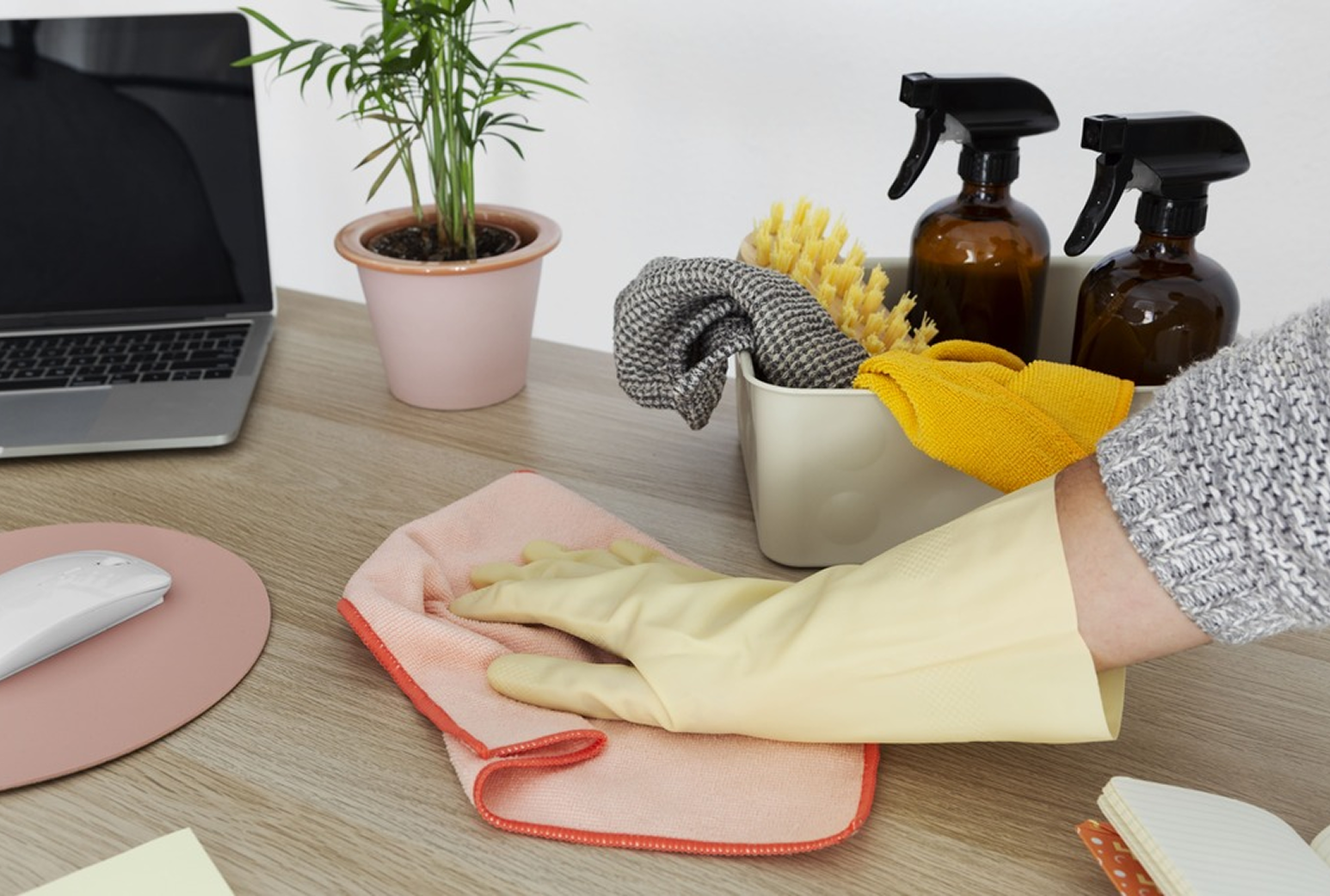
Even small improvements — clearing a desk or washing dishes — signal completion to the brain. This sense of progress improves mood and reduces background stress.
In environments where work increasingly occurs from home, maintaining orderly spaces can also support clearer separation between work and rest.
Overcoming Perfectionism
Another psychological barrier to cleaning is perfectionism. Some individuals avoid starting because they feel the task must be done completely or correctly.
The 10-minute rule deliberately rejects perfection. The goal is improvement, not completion. Partial progress becomes acceptable, reducing pressure that normally prevents action.
Over time, repeated imperfect action produces better results than occasional intensive effort.
Practical Implementation
To apply the method effectively:
-
choose one small area rather than the entire home
-
set a visible timer for ten minutes
-
focus on simple actions such as sorting, wiping, or organising
-
stop when time ends, even if unfinished
-
repeat daily or several times per week
Gradually, the environment improves without requiring large blocks of time.
Why It Works Long-Term
The success of the 10-minute cleaning rule lies in aligning behaviour with how the brain naturally manages effort and motivation. Instead of forcing discipline, it reduces psychological resistance, builds momentum, and reinforces consistency.
Small actions accumulate, preventing clutter from reaching overwhelming levels. Over weeks and months, cleaning becomes less of a task and more of a routine background behaviour.
Ultimately, the method demonstrates a broader psychological principle: sustainable change rarely comes from dramatic effort. It emerges from manageable actions repeated regularly. By working with cognitive tendencies rather than against them, even a short daily commitment can transform both living spaces and mental clarity.