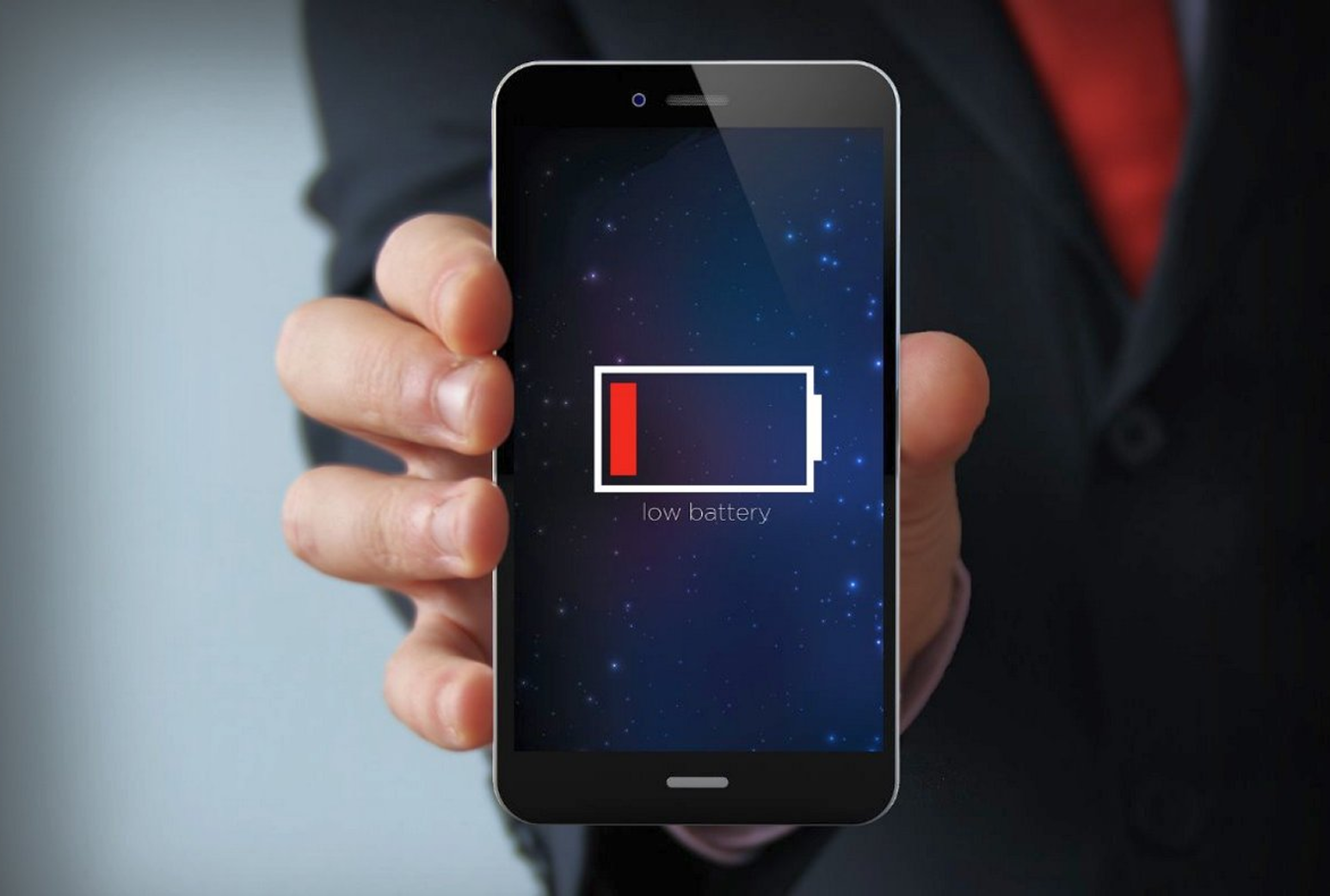
Smartphones have become essential tools in daily life across the United Kingdom, from commuting and work tasks to social connections and entertainment. Yet battery life remains a constant source of frustration. Many users find themselves scrambling for chargers by mid-afternoon, even after a full night’s charge. While hardware limitations play a role, proper usage habits and system optimisations can dramatically extend battery longevity, sometimes doubling both daily endurance and overall lifespan.
Advertising
Understanding smartphone battery behaviour requires knowledge of lithium-ion chemistry, software management, and practical energy-saving strategies.
How Smartphone Batteries Work
Most modern phones use lithium-ion batteries, which store energy by moving lithium ions between the cathode and anode. Every charge and discharge cycle slightly degrades the battery’s chemical structure. Over time, maximum capacity declines, reducing both daily runtime and long-term health.
Several factors accelerate battery degradation:
-
High-temperature exposure
-
Frequent full charges and discharges
-
Fast-charging at high voltage levels
-
Continuous background processes
By managing these factors, users can maintain more of the battery’s original capacity and extend daily runtime.
Optimising Charging Habits
Many people follow “charge-it-to-100%, then drain-it-to-zero” routines. However, lithium-ion batteries experience more stress under extreme states of charge. Scientific studies suggest:
-
Keeping charge between 20% and 80% reduces chemical strain.
-
Avoiding frequent full discharges prevents voltage-induced wear.
-
Slow charging, when convenient, produces less heat and extends battery health.
In practice, using partial charges throughout the day and avoiding overnight charging spikes the battery less, maintaining capacity longer.
Temperature Control
Heat is the most damaging factor for lithium-ion batteries. Temperatures above 35°C accelerate chemical reactions that degrade capacity. Conversely, extreme cold reduces immediate performance but has less long-term impact.
Practical UK-specific considerations include:
-
Avoid leaving phones in hot cars during summer.
-
Reduce exposure to direct sunlight while commuting or walking.
-
Remove heavy cases during fast charging if heat buildup is noticeable.
These precautions may seem minor, but over months they significantly preserve battery life.
Managing Background Activity
Many apps continue consuming energy even when not actively used. Social media, email, navigation, and messaging applications frequently refresh in the background.
Strategies to limit background activity include:
-
Closing unused apps instead of leaving them running
-
Restricting background app refresh for non-essential applications
-
Using battery optimisation settings provided by the operating system
-
Turning off automatic updates for apps during the day
By reducing continuous power draw, the phone maintains charge longer between cycles.
Display Settings and Screen Usage
The screen is the single largest energy consumer on modern smartphones. Adjusting display settings can double runtime in certain situations:
-
Lower brightness: Use auto-brightness to adapt to ambient light.
-
Enable dark mode: OLED screens consume less power displaying black pixels.
-
Reduce screen timeout: Set shorter inactivity periods to turn off the display automatically.
-
Minimise high-refresh rates: Higher refresh rates increase smoothness but also consume more power.
Even small adjustments have cumulative effects, especially during heavy daily use.
Connectivity Management
Wireless connections like Wi-Fi, Bluetooth, and mobile data draw substantial energy when continuously active. Tips for optimisation include:
-
Turn off Bluetooth when not in use.
-
Switch to Wi-Fi whenever possible, as mobile data is more power-intensive.
-
Enable Airplane mode in low-signal areas to prevent constant network searching.
-
Use location services selectively; continuous GPS tracking is energy-heavy.
UK commuters and urban residents benefit from these adjustments by reducing wasted energy during travel or low-signal periods.