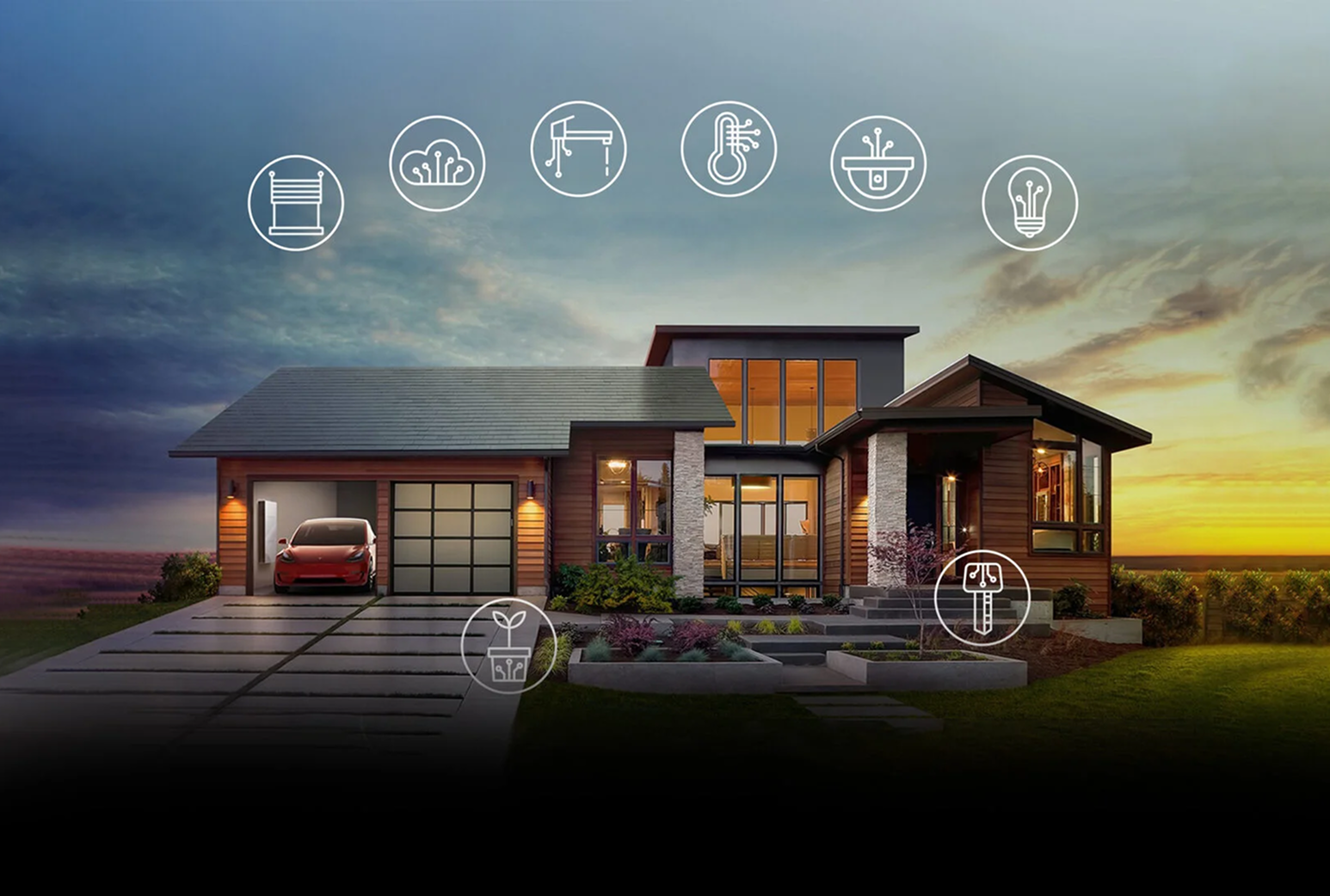
Smart home technology has rapidly evolved from a futuristic novelty to a practical tool for homeowners in the United Kingdom. While many devices are marketed for convenience, security, or entertainment, a significant subset of smart home products is designed to reduce energy consumption, optimise utility costs, and ultimately save money. Understanding how these devices function and which ones provide measurable financial benefits is essential for UK residents seeking both comfort and efficiency.
Advertising
One of the most impactful categories is smart heating and thermostats. Heating accounts for the largest portion of household energy use in the UK, often exceeding 60% of annual energy bills. Smart thermostats, such as programmable devices connected to central heating systems, allow homeowners to control temperatures remotely and schedule heating according to occupancy patterns. Advanced models learn household routines and automatically adjust settings to maintain comfort while reducing unnecessary heating. Research demonstrates that households using smart thermostats can reduce heating-related energy consumption by 10–15% per year. This is particularly relevant in the UK, where seasonal temperature fluctuations require consistent heating management during autumn and winter months.
Smart lighting systems also contribute to cost savings. Traditional lighting relies on manual operation, which can result in lights being left on unnecessarily. Smart LED bulbs, controlled via apps or voice assistants, allow users to set schedules, dim levels, or presence-based activation. Motion sensors further reduce waste by ensuring that lights are only on when rooms are occupied. In combination with energy-efficient LED technology, these systems lower electricity consumption. In UK households, which increasingly rely on electric lighting during long winter nights, the reduction in consumption can translate into noticeable savings on energy bills over time.
Another category with measurable financial impact is smart plugs and energy monitors. Smart plugs enable precise control over individual appliances, allowing homeowners to schedule operation or turn off devices remotely. Energy monitoring systems provide real-time feedback on electricity usage by appliance or circuit, helping residents identify high-consumption devices and behavioural patterns that increase bills. For example, analysis may reveal that older kitchen appliances or standby power modes are responsible for substantial hidden costs. By managing usage effectively, households can reduce electricity expenditure and optimise energy-efficient habits.
Water-saving devices are increasingly integrated into smart home ecosystems. Smart showers, taps, and irrigation systems monitor flow rates and usage, offering feedback to reduce water waste. In the UK, water efficiency is particularly relevant in regions with water scarcity or high utility costs, such as the south-east. By limiting overuse and detecting leaks early, these devices prevent unnecessary charges and conserve a valuable resource.