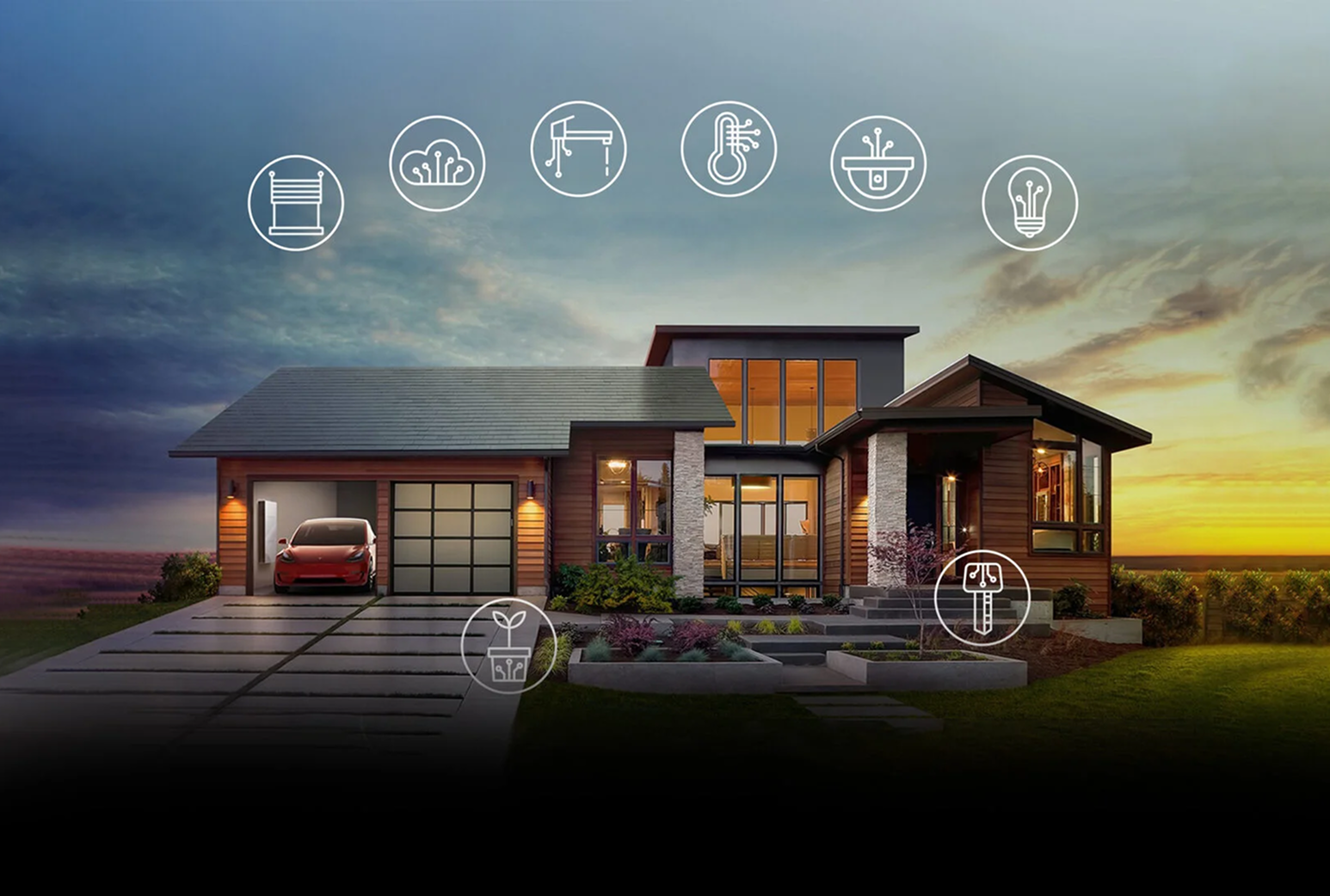
Home insulation and climate control devices connected to smart systems also contribute indirectly to cost savings. Smart sensors monitor temperature and humidity across different rooms, allowing heating or cooling to be applied selectively rather than uniformly. By avoiding heating empty rooms or preventing excessive dehumidification, these systems reduce energy waste. Paired with smart windows or automated blinds that adjust based on sunlight exposure, homes can maintain thermal comfort more efficiently, lowering both heating and cooling costs.
Advertising
Smart appliances—including refrigerators, washing machines, and dishwashers—can offer savings through optimised operation schedules. Many smart appliances operate during off-peak energy hours, utilising UK electricity tariffs that vary by time of day. This reduces overall energy costs without compromising convenience. Additionally, some smart appliances provide usage analytics and maintenance alerts, helping homeowners prevent costly repairs or energy inefficiency caused by neglected filters or worn components.
Security and monitoring devices, while primarily focused on safety, can also contribute to financial efficiency. Smart cameras, door sensors, and motion detectors can reduce home insurance premiums for UK residents by demonstrating proactive risk management. Furthermore, integrated smart locks and automated lighting can deter theft and property damage, avoiding potential financial losses. In certain insurance schemes, verified installation of connected security systems can result in measurable policy discounts.
Integration and automation amplify the financial benefits of smart devices. Platforms that connect multiple devices—such as heating, lighting, appliances, and security systems—allow homeowners to implement holistic energy strategies. For example, a smart routine might lower heating when windows are detected as open, turn off lights in unoccupied rooms, and delay appliance operation until off-peak electricity rates apply. Coordinated automation maximises energy efficiency, ensuring that the financial savings from each device are compounded across the household system.
Despite the advantages, the initial investment in smart home technology can be significant. In the UK, the cost-benefit analysis depends on household size, energy tariffs, and usage patterns. Research indicates that households with high energy consumption or variable schedules gain the most from smart home devices, while smaller or already efficient households may see more modest financial returns. Long-term savings, however, are typically realised over several years, and devices with longevity, firmware updates, and integration potential provide the greatest return on investment.
Finally, behavioural engagement remains critical. Even the most sophisticated smart devices cannot guarantee cost savings if users override automation or ignore insights. Successful adoption in the UK requires homeowners to understand device functionality, monitor energy and water usage, and make informed adjustments. Education and awareness of consumption patterns enhance the effectiveness of smart technologies, ensuring that financial benefits are realised alongside convenience and security.
In conclusion, smart homes in the United Kingdom offer devices that not only increase comfort and convenience but also reduce household expenditure through energy efficiency, water conservation, and risk mitigation. Smart thermostats, lighting systems, plugs, appliances, and integrated automation platforms provide measurable savings by optimising resource usage and encouraging informed behavioural choices. While initial costs can be substantial, the long-term benefits—both financial and environmental—make smart home investment a practical strategy for UK residents seeking to lower utility bills, manage resources effectively, and embrace sustainable living. By combining technology with conscious user engagement, households can transform daily routines into cost-saving, efficient systems that enhance both quality of life and financial stability.