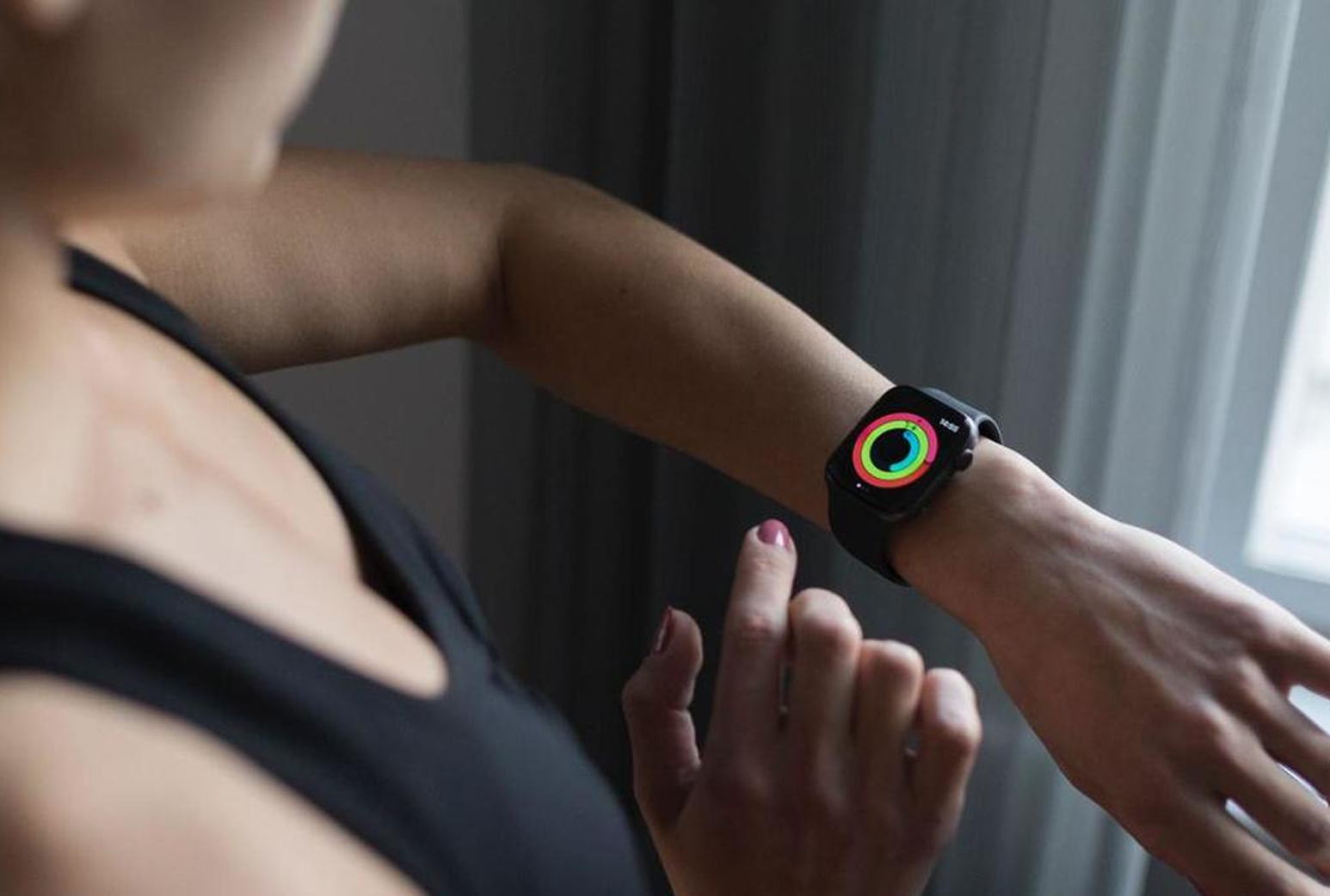
Sleep tracking is an area of growing interest, particularly for understanding sleep duration, quality, and patterns. Wearables typically use a combination of movement, heart rate, and sometimes blood oxygen saturation to infer sleep stages. While studies demonstrate that wearables can reliably detect total sleep duration, they are less accurate at identifying specific sleep stages such as deep sleep, REM sleep, or awakenings. Polysomnography, the clinical gold standard for sleep measurement, remains far more precise. For UK consumers using wearables to monitor sleep trends, devices are valuable for identifying general patterns, but the data should not replace professional assessment for sleep disorders.
Advertising
Blood oxygen saturation (SpO2) monitoring and stress assessment are increasingly common features. Optical sensors estimate oxygen saturation by measuring light absorption differences in the blood. Research indicates that SpO2 readings from wearables are reasonably accurate under stable conditions but can be affected by movement, ambient light, and skin properties. Similarly, stress or heart rate variability (HRV) measurements can provide indicative trends but are less reliable as absolute indicators of physiological stress. In the UK, these metrics are best used for observing changes over time rather than making clinical decisions.
Accuracy also varies based on device calibration, software updates, and user compliance. Studies show that devices updated regularly with improved algorithms tend to provide more reliable measurements, while worn incorrectly or loosely, sensors produce erratic results. Users who consistently wear trackers in accordance with manufacturer guidance generally obtain better quality data. Research highlights that device choice matters: higher-end wearables often include more sophisticated sensors and validation against clinical measurements, whereas budget models may compromise accuracy for cost.
Despite these limitations, wearable health trackers provide practical benefits. Continuous monitoring generates longitudinal data that can reveal trends in activity, heart rate patterns, sleep, or overall movement. UK public health research supports the idea that tracking and feedback encourage healthier behavior, such as increased daily activity or more consistent sleep routines. Psychological motivation—often referred to as the “self-monitoring effect”—can improve adherence to exercise or lifestyle changes, even if the absolute measurements are not perfectly precise.
Healthcare professionals in the UK caution, however, that wearables are tools for awareness, not diagnostics. While devices may detect abnormal patterns, such as sustained elevated heart rate or irregular sleep trends, these readings are not sufficient to diagnose medical conditions. Misinterpretation of data can lead to unnecessary anxiety or misdirected health interventions. Wearables are most effective when combined with professional guidance or as part of structured wellness programs rather than being relied upon as standalone medical devices.
Looking forward, research is focusing on improving sensor accuracy, integrating machine learning to refine data interpretation, and expanding monitoring capabilities to include blood pressure, glucose, and other biomarkers. For UK consumers, this means that wearable health trackers are likely to become increasingly sophisticated, but users should continue to critically assess the reliability of each metric.
In conclusion, wearable health trackers in the United Kingdom provide useful, though imperfect, insights into physical activity, heart rate, sleep, and wellness. They are generally accurate for basic trends and moderate-intensity activities but less reliable for high-intensity exercise, clinical measurements, or precise physiological monitoring. Their value lies in long-term tracking, behavioral motivation, and raising awareness of lifestyle patterns. Users should interpret data cautiously, maintain realistic expectations, and complement wearable insights with professional healthcare advice when making decisions about their health. By understanding both the capabilities and limitations, UK consumers can leverage wearable technology effectively without over-reliance on its numerical outputs.