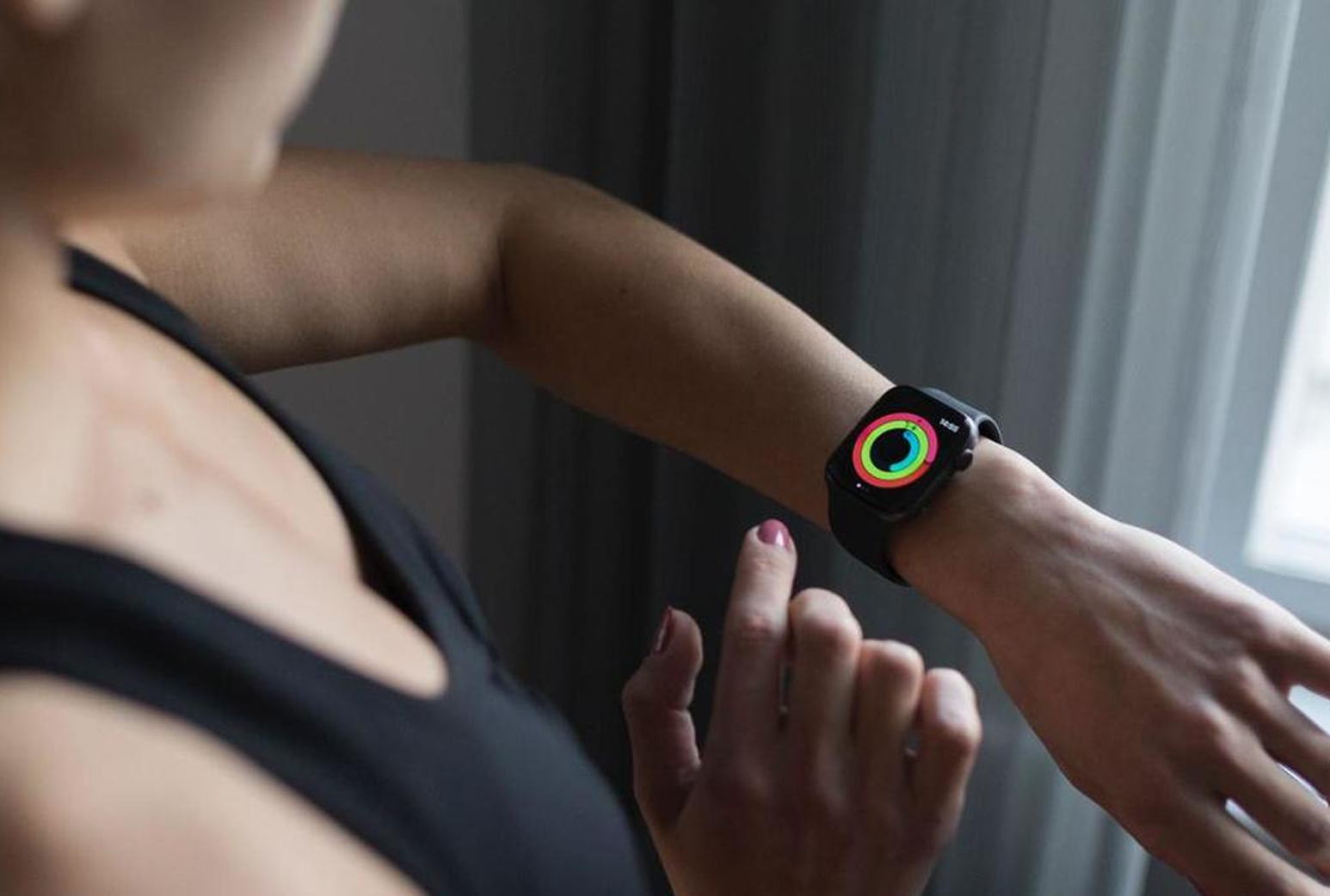
Wearable health trackers have become ubiquitous in the United Kingdom, appearing on wrists, as smart rings, or even integrated into clothing. Promoted as tools for monitoring physical activity, heart rate, sleep, and overall wellness, these devices are widely adopted by both casual users and health-conscious individuals. However, an important question arises: how accurate are wearable health trackers, and can they reliably inform decisions about personal health? Research in biomedical science, physiology, and technology provides a nuanced perspective on their capabilities and limitations.
Advertising
One of the most common features of wearables is heart rate monitoring. Optical sensors, often using photoplethysmography (PPG), measure changes in blood volume under the skin to estimate heart rate. Multiple studies conducted in laboratory and real-world settings indicate that these devices can provide reasonably accurate readings during rest or low-intensity activity. In the UK, fitness enthusiasts often rely on these readings to gauge exercise intensity or recovery. However, accuracy decreases during high-intensity exercise, rapid movement, or when the sensor placement is inconsistent. Factors such as skin tone, wrist circumference, and the tightness of the device affect the reliability of PPG sensors, making measurements less precise for some users.
Step counting and activity tracking represent another core function. Accelerometers within wearable devices detect motion and estimate steps, distance, and calories burned. Research shows that these devices generally provide acceptable accuracy for moderate walking and running but tend to undercount steps during activities with irregular or subtle motion, such as cycling, weightlifting, or household chores. For UK users engaging in diverse forms of physical activity, step counts should be interpreted as approximations rather than precise measurements. Furthermore, differences in algorithms between manufacturers mean that calorie estimates and activity intensity levels can vary significantly.