
Author

Charlotte Hughes

Advertising

Many households across the United Kingdom carefully track major expenses such as rent, mortgages, and groceries, yet still struggle to understand where their money disappears each month. The reason often lies not in large purchases but in small, recurring costs that accumulate silently over time. Behavioural economics and consumer finance research show that hidden expenses — automatic payments, convenience fees, and inefficient financial habits — can significantly reduce savings without people noticing. Understanding these hidden costs is the first step toward regaining financial control.

Subscription Creep: The Silent Budget Killer

One of the most common financial leaks comes from subscription services. Streaming platforms, cloud storage, fitness apps, digital newspapers, and software tools often charge relatively small monthly fees. Individually, these payments appear insignificant, but collectively they create substantial annual expenses.

Psychologically, subscriptions exploit payment invisibility. Once automated payments are set up, the brain stops actively evaluating their value. Studies show that people are far less sensitive to recurring digital payments than to one-time purchases because there is no repeated decision-making moment.

In the UK, where subscription-based services have expanded rapidly, households may unknowingly spend hundreds of pounds annually on services rarely used.

Energy Inefficiency and Household Waste

Energy bills remain a major concern, but hidden inefficiencies often inflate costs beyond necessity. Common issues include:

  • Appliances left on standby

  • Poor home insulation

  • Inefficient heating schedules

  • Outdated light bulbs or appliances

Even small inefficiencies compound over time. For example, heating unused rooms or running boilers at unnecessarily high temperatures increases annual energy expenditure without improving comfort.

Behaviourally, energy waste persists because costs are delayed and indirect. Consumers do not immediately associate daily habits with monthly billing outcomes.

Convenience Spending and Micro-Purchases

Modern urban lifestyles encourage convenience purchases: takeaway coffee, food delivery fees, transport upgrades, or impulse supermarket items. A £3 or £5 purchase feels trivial, but repeated daily habits can exceed several hundred pounds per year.

Behavioural economists describe this as mental accounting failure — people evaluate purchases individually rather than cumulatively. Small expenses escape scrutiny because they never appear significant in isolation.

Contactless payments and mobile wallets further reduce spending awareness by removing the physical sensation of paying cash.

Bank Fees and Financial Friction

Many UK residents lose money through avoidable banking costs, including:

  • Overdraft interest

  • International transaction fees

  • Late payment penalties

  • ATM withdrawal charges abroad

  • Unnecessary account maintenance fees

These costs often arise from inertia. Consumers rarely review account terms after opening them, even when better alternatives become available. Financial institutions rely partly on this behavioural tendency, known as status quo bias, where individuals prefer existing arrangements despite inefficiencies.

Insurance Overpayments

Insurance policies — covering cars, homes, phones, or travel — frequently renew automatically at higher rates. Loyalty penalties mean long-term customers sometimes pay more than new customers for identical coverage.

Because renewals occur annually and require active comparison to change providers, many people accept price increases by default. Over years, this passive behaviour can cost hundreds of pounds unnecessarily.

Unused Memberships and Services

Gym memberships, professional platforms, and subscription boxes often continue long after active use stops. Behavioural psychology explains this through the sunk cost fallacy: individuals hesitate to cancel services because they feel they should eventually use what they already paid for.

In reality, continued payment increases losses rather than recovering past spending.

Food Waste and Poor Planning

Food waste represents another hidden financial drain. Buying excess groceries, failing to plan meals, or misunderstanding expiration labels leads to discarded food — effectively throwing money away.

UK household studies consistently show that structured meal planning and inventory awareness significantly reduce grocery spending without reducing food quality or quantity.

Pages: 1 2

Every day, people make hundreds of decisions — from choosing what to eat for breakfast to determining how long to work, exercise, or scroll through their phones. While these choices may feel rational and deliberate, neuroscience shows that many are strongly influenced by dopamine, a neurotransmitter central to motivation, learning, and reward prediction. Understanding how dopamine functions helps explain habits, productivity patterns, and even procrastination in modern life, including fast-paced environments common across the United Kingdom.

What Dopamine Actually Does

Dopamine is often described as the “pleasure chemical,” but this definition is incomplete. Dopamine is primarily involved in motivation and anticipation, not pleasure itself. It signals the brain that something important or potentially rewarding is about to happen.

Rather than rewarding success after the fact, dopamine drives behaviour before an action occurs. It increases focus, energy, and willingness to act when the brain predicts a beneficial outcome.

Key brain regions involved include:

  • Ventral tegmental area (VTA) — produces dopamine signals

  • Nucleus accumbens — processes reward expectation

  • Prefrontal cortex — evaluates choices and long-term consequences

  • Basal ganglia — reinforces habits and repeated behaviours

Together, these systems form the brain’s reward-learning circuit.

Dopamine and Decision-Making

Every decision involves predicting outcomes. Dopamine neurons fire when outcomes are better than expected and reduce activity when outcomes disappoint. This mechanism is known as reward prediction error.

For example:

  • Receiving unexpected praise increases dopamine activity, reinforcing the behaviour that preceded it.

  • Repeated rewards become less stimulating because the brain begins to expect them.

This explains why novelty strongly influences decisions. Humans naturally gravitate toward new experiences, information, or stimuli because unpredictability generates stronger dopamine responses.

Why Small Rewards Influence Behaviour

Modern environments provide frequent, low-effort rewards — notifications, messages, and digital content. Each unpredictable reward produces a dopamine spike, encouraging repetition of the behaviour that triggered it.

This mechanism mirrors reinforcement learning models: intermittent rewards are more powerful than predictable ones. Checking a phone repeatedly becomes habitual because the brain anticipates the possibility of a rewarding update, even when most checks produce nothing meaningful.

In everyday UK routines, this dynamic affects workplace concentration, commuting habits, and leisure time, subtly shaping how attention is allocated throughout the day.

Dopamine and Motivation

Motivation depends less on reward size and more on expected reward relative to effort. When the brain perceives effort as too high compared to potential benefit, dopamine signalling decreases, reducing motivation.

This explains why large goals often produce procrastination. The brain struggles to associate immediate effort with distant rewards. Breaking goals into smaller steps increases dopamine release through frequent progress signals, sustaining engagement.

Research demonstrates that visible progress markers — checklists, milestones, or measurable targets — enhance motivation because each completion triggers reinforcement.

Habit Formation and Automatic Decisions

Repeated dopamine-driven behaviours gradually become habits. The basal ganglia encode routines so that actions require less conscious thought.

Initially, decisions involve active evaluation by the prefrontal cortex. Over time, dopamine strengthens neural pathways associated with repeated choices, making behaviour automatic. Examples include:

  • Morning routines

  • Snack preferences

  • Exercise adherence

  • Digital consumption patterns

Habits reduce cognitive effort but can reinforce both beneficial and harmful behaviours depending on the rewards involved.

Pages: 1 2

Advertising

Motivation drives human behaviour, influencing everything from career achievement to personal wellbeing. In the United Kingdom, as elsewhere, people frequently struggle with sustaining motivation, whether in work, study, fitness, or creative pursuits. Understanding the psychology behind motivation clarifies why some strategies succeed while others fail, offering practical insights to enhance persistence and goal attainment.

Defining Motivation

Motivation is the internal process that initiates, directs, and sustains goal-directed behaviour. Psychologists distinguish between intrinsic and extrinsic motivation:

  • Intrinsic motivation arises from personal interest, curiosity, or enjoyment of an activity itself.

  • Extrinsic motivation stems from external rewards or pressures, such as salary, recognition, or avoiding negative consequences.

While both types influence behaviour, intrinsic motivation generally produces more sustainable engagement and higher-quality outcomes.

The Neuroscience of Motivation

At a neurological level, motivation involves the brain’s reward system, particularly the dopaminergic pathways in the mesolimbic system. Dopamine is released in anticipation of rewards, energizing behaviour toward desired outcomes.

Key regions include:

  • Nucleus accumbens: processes reward anticipation and pleasure.

  • Prefrontal cortex: evaluates goals, plans actions, and monitors progress.

  • Amygdala: integrates emotional responses, including fear or stress, which can either inhibit or enhance motivation.

When these systems are aligned, individuals experience sustained drive. Dysregulation can lead to procrastination, avoidance, or burnout.

Goal Setting and Motivation

Clear, well-defined goals are central to motivating behaviour. Psychological research highlights several principles:

  1. Specificity: Goals must be concrete and actionable. “Exercise three times a week” is more effective than “get fit.”

  2. Challenge: Goals should stretch ability without being unrealistic. Moderate difficulty maximizes engagement and dopamine response.

  3. Measurability: Tracking progress provides feedback, enhancing intrinsic motivation through perceived competence.

  4. Time-Bound: Deadlines create urgency and activate the brain’s reward pathways.

These elements align with Locke and Latham’s Goal-Setting Theory, which demonstrates that specific and challenging goals increase effort, persistence, and task performance.

Self-Determination Theory: Autonomy, Competence, and Relatedness

According to Self-Determination Theory (SDT), three psychological needs drive intrinsic motivation:

  • Autonomy: The perception of choice and control over actions enhances engagement.

  • Competence: Feeling capable and mastering tasks reinforces persistence.

  • Relatedness: Connection with others provides social reinforcement, increasing motivation.

Applications include giving employees flexible work options, fostering skill development, and promoting collaborative environments.

The Role of Rewards and Feedback

While intrinsic motivation is ideal, extrinsic rewards can be effective if applied strategically. Rewards function best when:

  • They are immediate and clearly linked to behaviour.

  • They reinforce competence rather than replace intrinsic interest.

  • They are varied, avoiding habituation that diminishes dopamine response.

Feedback is equally critical. Constructive, specific feedback increases perceived competence and supports goal-directed behaviour, while vague or overly critical feedback can demotivate.

Overcoming Procrastination and Motivation Barriers

Psychologists identify common obstacles to motivation:

  • Decision fatigue: Excessive choices drain cognitive resources, reducing goal-directed behaviour.

  • Fear of failure: Anticipated negative outcomes trigger avoidance.

  • Mental overload: Competing demands create stress, impairing prefrontal planning and self-regulation.

Effective strategies include breaking tasks into small, manageable steps, using structured schedules, and reframing failure as feedback rather than threat. The implementation intention technique — forming “if-then” plans — bridges intention and action, increasing follow-through.

Habit Formation and Motivation

Sustained motivation relies on converting behaviours into habits. Habit formation reduces the reliance on conscious effort and willpower, which are finite resources.

Pages: 1 2

Many people in the United Kingdom find that nighttime brings more than rest: it brings relentless thoughts, worries, and “what if” scenarios. Even after a busy day, the mind seems to race when the body is preparing for sleep. Neuroscience provides a detailed explanation for why overthinking occurs at night and offers insights into how to mitigate it. Understanding these mechanisms can improve sleep quality, mental health, and overall cognitive performance.

Circadian Rhythms and Brain Activity

The human brain operates on circadian rhythms, which regulate sleep-wake cycles, hormone release, and alertness. At night, melatonin levels rise, signalling the body to prepare for sleep. Paradoxically, in some individuals, the brain’s default mode network (DMN) — responsible for self-reflection, memory retrieval, and mental simulation — becomes more active.

This increased DMN activity can produce rumination, as the brain reviews past events, anticipates future challenges, and evaluates personal goals. While this process is normal, it can intensify in stressful environments or when daytime cognitive load has been high.

The Role of Emotional Processing

Evening overthinking is closely tied to emotional regulation. The limbic system, particularly the amygdala, is sensitive to unresolved emotional stimuli. During the day, attention is directed outward — work, social interactions, and tasks occupy the prefrontal cortex. At night, with external stimuli removed, the brain turns inward, heightening awareness of worries, regrets, or anxieties.

This inward focus is evolutionary: reflecting on potential threats and planning adaptive responses. However, in modern life, it often results in persistent overthinking about work deadlines, personal relationships, or hypothetical scenarios, rather than practical problem-solving.

Stress Hormones and Nighttime Anxiety

Cortisol, the body’s primary stress hormone, typically peaks in the morning and declines throughout the day. However, chronic stress or irregular sleep patterns can disrupt this rhythm, maintaining elevated cortisol levels at night.

High cortisol increases vigilance and mental arousal, making it difficult for the prefrontal cortex to downregulate limbic activity. This combination produces racing thoughts and difficulty initiating sleep.

Cognitive Load and Unfinished Tasks

The brain naturally prioritizes unresolved or incomplete tasks. The Zeigarnik effect explains why unfinished activities linger in consciousness, particularly at night. People often notice mental reminders of uncompleted work, pending decisions, or personal responsibilities when they lie in bed.

This effect compounds with decision fatigue: a long day of choices exhausts the prefrontal cortex, reducing the ability to suppress intrusive thoughts or shift attention toward relaxation.

Pages: 1 2

Advertising

First impressions are a universal human phenomenon. Across the United Kingdom and worldwide, people form rapid judgments about others within seconds of meeting them. Whether in professional settings, social interactions, or everyday encounters, these instant assessments influence trust, credibility, and long-term perceptions. Understanding the science behind first impressions reveals how the brain processes visual, auditory, and behavioral cues, and why these snap judgments are both powerful and sometimes misleading.

How Fast Are First Impressions Formed?

Neuroscientific research indicates that the brain forms initial impressions in as little as 100 to 200 milliseconds — faster than a blink of an eye. This rapid assessment occurs largely unconsciously and involves multiple regions of the brain:

  • The amygdala, responsible for evaluating threats and emotional salience

  • The prefrontal cortex, integrating social rules and context

  • The fusiform face area, specialized for recognizing facial features

Within moments, the brain evaluates appearance, posture, facial expression, and tone of voice to create an overall impression of trustworthiness, competence, and likability.

Visual Cues Dominate Early Judgments

Humans rely heavily on visual information when forming first impressions. Key factors include:

  • Facial expression: Smiling generally signals friendliness, while a neutral or frowning expression may be interpreted as unapproachable.

  • Eye contact: Direct but natural eye contact conveys confidence and engagement. Avoidance can suggest discomfort or dishonesty.

  • Posture and body language: Open posture signals approachability, while crossed arms may indicate defensiveness.

  • Grooming and attire: Clothing, hairstyle, and hygiene subtly communicate professionalism, personal values, and social alignment.

Studies show that people often make judgments about personality traits such as competence, warmth, and honesty based primarily on facial features, even before conversation begins.

The Role of Voice and Speech

While appearance is critical, auditory cues influence first impressions immediately after visual perception. Tone, pitch, and speech rate provide information about confidence, enthusiasm, and emotional state.

  • Tone of voice: Calm, steady tones are perceived as trustworthy.

  • Speech clarity: Clear articulation signals intelligence and preparation.

  • Pace: Moderate speech rates are associated with competence, while overly fast or slow delivery can reduce perceived credibility.

In professional UK contexts, such as interviews or client meetings, vocal cues significantly affect perceived competence alongside visual impression.

Cognitive Shortcuts and Biases

First impressions are formed using heuristics — mental shortcuts that simplify complex social evaluations. While efficient, heuristics can introduce bias. Common biases include:

  • Halo effect: Positive perception of one trait (e.g., attractiveness) influences perception of unrelated traits (e.g., intelligence).

  • Confirmation bias: People focus on information that confirms their initial judgment, ignoring contradictory evidence.

  • Stereotyping: Cultural or social assumptions may unconsciously influence assessment.

These biases explain why first impressions, while rapid, are not always accurate. Nevertheless, they have real consequences in social and professional decision-making.

Emotional Responses and Mirror Neurons

Mirror neurons in the brain activate when observing another person’s facial expressions or gestures. This mechanism underlies empathy and allows rapid emotional alignment. For example, a warm smile can trigger a similar emotional response in the observer, reinforcing positive first impressions.

Conversely, negative emotional cues, such as tension or irritation, trigger subtle avoidance behaviors, affecting interpersonal engagement within seconds.

Pages: 1 2

Procrastination is one of the most common challenges faced by people across the United Kingdom, affecting students, professionals, and even experienced managers. Despite knowing the importance of a task, the brain often delays action, creating stress, lost productivity, and diminished satisfaction. Understanding why the brain procrastinates provides insight into the underlying cognitive mechanisms and allows the development of strategies to counteract it effectively.

The Neurological Basis of Procrastination

Procrastination is not simply laziness or poor willpower. Neuroscientists identify two primary brain systems involved: the prefrontal cortex, responsible for planning, decision-making, and self-control, and the limbic system, which governs emotion, reward, and instant gratification.

When faced with a task perceived as difficult, boring, or stressful, the limbic system dominates, prioritising immediate comfort or pleasurable activities over long-term goals. This creates a conflict between rational planning and emotional impulses.

Functional MRI studies show that delayed tasks activate regions associated with stress and anxiety. Ironically, avoiding the task temporarily reduces discomfort, reinforcing procrastination as a coping mechanism.

The Role of Emotional Regulation

Procrastination is strongly linked to emotional management. Tasks that trigger fear of failure, perfectionism, or uncertainty produce negative feelings. The brain seeks to reduce these uncomfortable emotions by postponing action.

For example, writing a report may evoke anxiety about quality or judgment. The limbic system responds by diverting attention to easier, emotionally rewarding activities — checking social media, making tea, or reorganising the desk. Although this provides short-term relief, it increases overall stress as deadlines approach.

The Illusion of Time

Humans often misjudge the time required for tasks, a phenomenon called the planning fallacy. The prefrontal cortex underestimates complexity, while the limbic system reacts to perceived discomfort. As a result, the brain assumes there will be more time later, creating a window for procrastination.

This illusion is reinforced by deadlines. The closer the deadline approaches, the limbic system’s anxiety response intensifies, triggering a last-minute surge in productivity — known as the “panic-driven work effect.”

Cognitive Load and Decision Fatigue

Modern life in the UK presents numerous competing tasks: emails, social media, work projects, and household responsibilities. Each decision consumes cognitive resources. As the prefrontal cortex fatigues, self-control weakens, and the limbic system dominates, increasing procrastination.

This effect explains why people often delay important tasks after a long day of decision-making. The brain prioritises low-effort, emotionally rewarding activities rather than high-cognitive-load work.

How Environment Influences Procrastination

The brain responds to environmental cues. Distractions, clutter, and digital notifications increase procrastination by providing immediate stimuli for the limbic system.

For instance, working in a noisy café or leaving multiple tabs open on a computer increases temptation and reduces sustained focus. Conversely, structured, distraction-free environments support the prefrontal cortex’s ability to regulate impulses.

Pages: 1 2

Advertising

Cooking at home can feel time-consuming, especially for people in the United Kingdom balancing work, family, and daily routines. Yet professional chefs consistently achieve efficiency, consistency, and flavour without spending extra hours. The difference is not secret recipes but smart techniques and small habits that save time, reduce waste, and elevate results. Understanding these professional hacks allows home cooks to replicate some of that efficiency in everyday cooking.

1. Mise en Place: The Foundation of Efficiency

“Mise en place,” a French term meaning “everything in its place,” is fundamental in professional kitchens. Chefs prepare all ingredients, tools, and utensils before cooking begins.

At home, applying this principle reduces stress and prevents mistakes:

  • Measure spices and oils in small bowls before starting

  • Chop vegetables, herbs, and proteins in advance

  • Organise pans and utensils for easy access

This preparation ensures a smooth workflow, making cooking faster and more precise while avoiding mid-recipe interruptions.

2. Knife Skills Save Time and Effort

Professional chefs prioritise proper knife technique. Sharp knives reduce physical effort, prevent accidents, and produce uniform cuts that cook evenly.

Simple hacks include:

  • Keep knives consistently sharp using a honing steel

  • Learn basic cuts like dice, julienne, and chiffonade

  • Use a rocking motion to chop quickly and safely

Uniform cuts not only improve presentation but also ensure predictable cooking times, reducing overcooked or undercooked elements.

3. Use Salt Strategically

Chefs understand that seasoning is cumulative. Adding salt in layers, rather than all at once, enhances flavour naturally.

Home cooking application:

  • Lightly salt proteins before cooking to draw out moisture for better sear

  • Season vegetables during cooking, not just at the end

  • Taste and adjust gradually

Proper salting elevates dishes without relying on heavy sauces or additives.

4. Keep Ingredients Fresh and Ready

Chefs avoid last-minute trips to the store by organising ingredients efficiently. At home, similar habits improve both efficiency and taste:

  • Store herbs in water like flowers to prolong freshness

  • Freeze excess stock, sauces, or chopped vegetables for quick use

  • Rotate pantry items to prevent waste

These small storage strategies reduce prep time and maintain ingredient quality.

5. Multitasking With Smart Timing

In professional kitchens, cooking multiple components simultaneously is standard. Timing is crucial to ensure everything finishes together.

Home adaptations include:

  • Start long-cooking items (grains, roasting vegetables) first

  • Use simmering sauces while chopping or prepping other ingredients

  • Rest meat while preparing side dishes

Strategic multitasking keeps cooking efficient without creating chaos.

Pages: 1 2

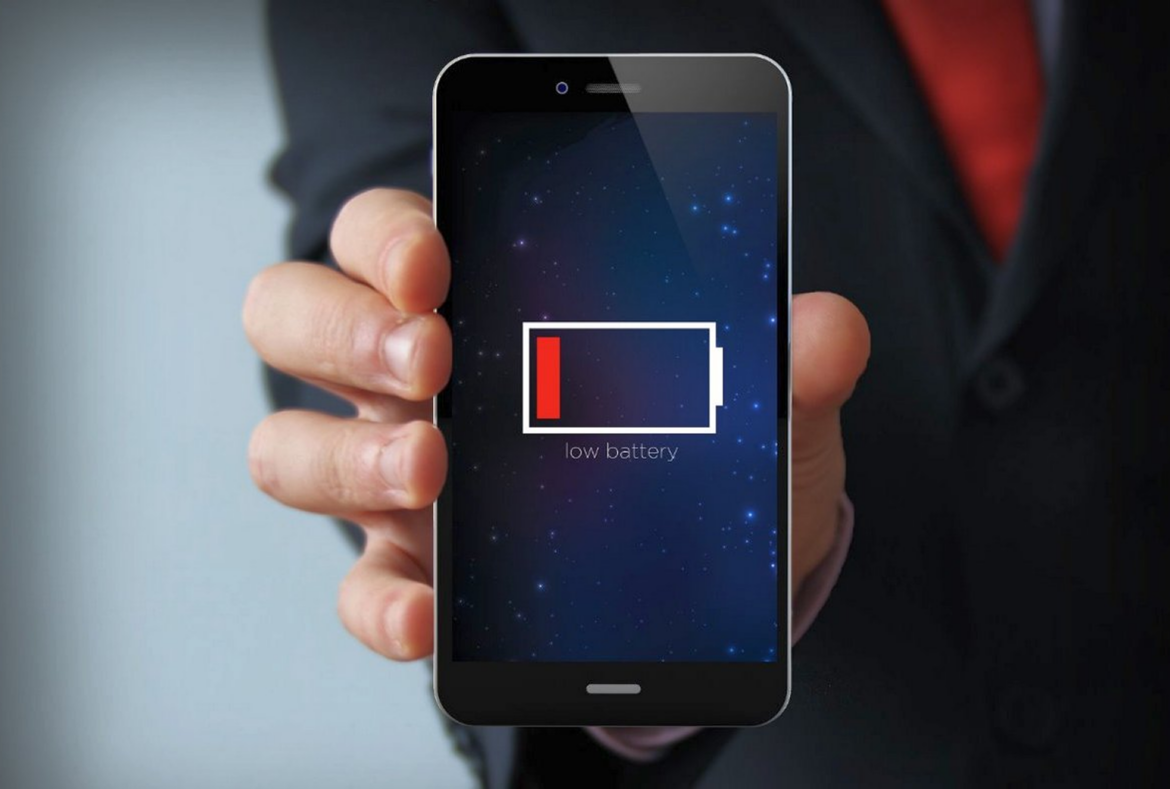
Smartphones have become essential tools in daily life across the United Kingdom, from commuting and work tasks to social connections and entertainment. Yet battery life remains a constant source of frustration. Many users find themselves scrambling for chargers by mid-afternoon, even after a full night’s charge. While hardware limitations play a role, proper usage habits and system optimisations can dramatically extend battery longevity, sometimes doubling both daily endurance and overall lifespan.

Understanding smartphone battery behaviour requires knowledge of lithium-ion chemistry, software management, and practical energy-saving strategies.

How Smartphone Batteries Work

Most modern phones use lithium-ion batteries, which store energy by moving lithium ions between the cathode and anode. Every charge and discharge cycle slightly degrades the battery’s chemical structure. Over time, maximum capacity declines, reducing both daily runtime and long-term health.

Several factors accelerate battery degradation:

  • High-temperature exposure

  • Frequent full charges and discharges

  • Fast-charging at high voltage levels

  • Continuous background processes

By managing these factors, users can maintain more of the battery’s original capacity and extend daily runtime.

Optimising Charging Habits

Many people follow “charge-it-to-100%, then drain-it-to-zero” routines. However, lithium-ion batteries experience more stress under extreme states of charge. Scientific studies suggest:

  • Keeping charge between 20% and 80% reduces chemical strain.

  • Avoiding frequent full discharges prevents voltage-induced wear.

  • Slow charging, when convenient, produces less heat and extends battery health.

In practice, using partial charges throughout the day and avoiding overnight charging spikes the battery less, maintaining capacity longer.

Temperature Control

Heat is the most damaging factor for lithium-ion batteries. Temperatures above 35°C accelerate chemical reactions that degrade capacity. Conversely, extreme cold reduces immediate performance but has less long-term impact.

Practical UK-specific considerations include:

  • Avoid leaving phones in hot cars during summer.

  • Reduce exposure to direct sunlight while commuting or walking.

  • Remove heavy cases during fast charging if heat buildup is noticeable.

These precautions may seem minor, but over months they significantly preserve battery life.

Managing Background Activity

Many apps continue consuming energy even when not actively used. Social media, email, navigation, and messaging applications frequently refresh in the background.

Strategies to limit background activity include:

  • Closing unused apps instead of leaving them running

  • Restricting background app refresh for non-essential applications

  • Using battery optimisation settings provided by the operating system

  • Turning off automatic updates for apps during the day

By reducing continuous power draw, the phone maintains charge longer between cycles.

Display Settings and Screen Usage

The screen is the single largest energy consumer on modern smartphones. Adjusting display settings can double runtime in certain situations:

  • Lower brightness: Use auto-brightness to adapt to ambient light.

  • Enable dark mode: OLED screens consume less power displaying black pixels.

  • Reduce screen timeout: Set shorter inactivity periods to turn off the display automatically.

  • Minimise high-refresh rates: Higher refresh rates increase smoothness but also consume more power.

Even small adjustments have cumulative effects, especially during heavy daily use.

Connectivity Management

Wireless connections like Wi-Fi, Bluetooth, and mobile data draw substantial energy when continuously active. Tips for optimisation include:

  • Turn off Bluetooth when not in use.

  • Switch to Wi-Fi whenever possible, as mobile data is more power-intensive.

  • Enable Airplane mode in low-signal areas to prevent constant network searching.

  • Use location services selectively; continuous GPS tracking is energy-heavy.

UK commuters and urban residents benefit from these adjustments by reducing wasted energy during travel or low-signal periods.

Pages: 1 2

Advertising

For many people across the United Kingdom, the home is meant to be a sanctuary, a place to rest after work and daily responsibilities. Yet, for millions, living spaces are increasingly cluttered — piles of mail, overflowing wardrobes, and unused gadgets accumulate in ways that often go unnoticed. Research in psychology and neuroscience now demonstrates that clutter is not just an aesthetic problem; it actively affects stress levels, cognitive performance, and emotional wellbeing. Understanding why decluttering reduces stress requires examining how the brain interacts with physical environments.

Clutter and Cognitive Load

The human brain has limited attentional resources. Each visible object in our surroundings competes for cognitive processing, even subconsciously. Psychologists refer to this as “cognitive load,” the amount of mental effort required to manage information.

Clutter increases cognitive load by constantly sending signals to the brain: unfinished tasks, pending decisions, and visual distractions all demand attention. Over time, this background processing consumes mental energy, leaving less available for productive or creative thought.

Decluttering reduces unnecessary stimuli, allowing the brain to focus more effectively. A cleaner environment decreases mental noise, improving both concentration and emotional stability.

Stress Hormones and the Nervous System

Studies show that cluttered spaces correlate with elevated levels of cortisol, the body’s primary stress hormone. Chronically high cortisol impairs memory, reduces immune function, and contributes to anxiety.

Neuroscientists suggest that the constant visual reminders of disorder signal unfinished business, keeping the sympathetic nervous system — responsible for the body’s fight-or-flight response — in a low-level state of activation. This ongoing alertness increases physiological stress, even when a person is not consciously aware of it.

By removing excess items, decluttering signals to the nervous system that the environment is under control. This produces measurable reductions in stress and promotes activation of the parasympathetic system, which supports relaxation and recovery.

The Psychology of Decision Fatigue

Every object in a home presents implicit decisions: should it be used, stored, moved, or discarded? The cumulative effect of countless small decisions contributes to decision fatigue, a state in which cognitive performance declines due to mental overload.

Decluttering simplifies the environment, reducing the number of daily micro-decisions. With fewer objects demanding attention, the brain can allocate resources to meaningful activities rather than minor, repetitive choices. This increases overall mental clarity and reduces perceived stress.

Emotional Attachment and Mental Burden

Objects in a home often carry emotional significance. Sentimental items, gifts, or mementos trigger memory recall and emotional processing each time they are seen. While positive memories are valuable, they also create subtle emotional burden when visual clutter is extensive.

Decluttering does not require eliminating all meaningful items. Instead, it focuses on intentional retention — keeping what is genuinely valuable and removing items that no longer serve a purpose. This process reduces mental and emotional clutter simultaneously.

Behavioural Activation and Sense of Control

The act of decluttering itself produces psychological benefits through behavioural activation. Taking deliberate action in a previously neglected space increases perceived control and self-efficacy.

Feeling in control of one’s environment is strongly associated with lower stress levels. When people see progress in a physical space, it signals accomplishment to the brain, releasing dopamine and reinforcing positive behaviour.

For example, organising a single shelf or clearing a counter can create a sense of immediate achievement, which has a ripple effect on mood and motivation.

Sleep and Restfulness

Cluttered bedrooms have been linked to poorer sleep quality. Visual distractions interfere with the brain’s ability to relax before sleep, prolonging the time needed to fall asleep and reducing overall sleep efficiency.

Decluttering sleeping areas promotes a calmer environment that supports natural circadian rhythms. Minimalist bedroom arrangements reduce stress cues at night, contributing to more restorative sleep.

The Role of Minimalism and Intentional Spaces

Minimalist principles, often applied in professional productivity and wellness contexts, emphasize intentionality in environment design. Research indicates that consciously curated spaces reduce stress by signalling order and predictability to the brain.

Intentional spaces encourage mindfulness, because the environment becomes a tool for focus rather than a source of distraction. This effect is particularly relevant in home offices and study areas, where cognitive performance is closely tied to environmental stimuli.

Gradual vs. Radical Decluttering

Psychologists emphasise that decluttering should be approached gradually rather than as a single overwhelming task. Attempting to purge an entire home in one session can produce anxiety and decision fatigue, undermining stress-reduction goals.

Short, consistent decluttering sessions — even ten to fifteen minutes per day — allow the brain to adapt to reduced cognitive load and build positive reinforcement patterns. Small wins accumulate, creating lasting change without generating overwhelm.

Pages: 1 2

For many people, maintaining a clean home feels more difficult than the task itself should be. Across the United Kingdom, busy work schedules, commuting, and digital distractions often lead to postponed household chores that gradually accumulate into overwhelming clutter. Psychological research suggests that the main obstacle is not laziness or lack of discipline, but how the brain perceives effort and time.

The “10-minute cleaning rule” has gained attention because it aligns with known cognitive principles. Instead of relying on motivation, it works by reducing mental resistance — the true barrier preventing people from starting tasks.

Why Cleaning Feels Mentally Heavy

The brain evaluates tasks based on perceived effort rather than actual duration. When people think about cleaning, they rarely imagine a small action such as wiping a surface or organising a shelf. Instead, the brain visualises the entire process: sorting, vacuuming, washing, and reorganising.

This creates what psychologists call task overload perception. The mind treats cleaning as a large, undefined project, triggering avoidance behaviour. Even simple chores begin to feel exhausting before they start.

Procrastination often occurs not because tasks are difficult, but because they appear indefinite.

The Psychology Behind the 10-Minute Rule

The 10-minute cleaning rule is straightforward: set a timer for ten minutes and clean only until the timer ends. After that, stopping is allowed without guilt.

This approach works because it changes how the brain evaluates effort. Ten minutes feels finite and manageable. The commitment appears small enough to bypass resistance mechanisms in the prefrontal cortex responsible for decision-making and self-control.

Once action begins, a psychological effect known as behavioural momentum takes over. Starting a task reduces mental friction, making continuation easier than stopping.

Many people continue cleaning beyond ten minutes, but the effectiveness lies in removing the pressure to do so.

The Zeigarnik Effect: Why Starting Matters

A key cognitive principle supporting this method is the Zeigarnik effect — the tendency of the brain to remember unfinished tasks more strongly than completed ones.

When a person begins cleaning, the brain registers the activity as an active goal. This creates mild cognitive tension that encourages completion. The task gains psychological importance simply because it has started.

Before starting, avoidance dominates. After starting, completion becomes more appealing.

Decision Fatigue and Environmental Stress

Clutter affects more than visual appearance. Research indicates that disorganised environments increase cognitive load because the brain continuously processes unnecessary stimuli.

Each visible object competes for attention, subtly draining mental resources. Over time, clutter contributes to stress, reduced focus, and decreased productivity.

Short cleaning sessions reduce environmental noise without requiring large time investments, improving mental clarity alongside physical order.

Why Short Sessions Work Better Than Long Cleaning Days

Many people postpone cleaning until weekends, expecting to complete everything at once. However, long sessions demand sustained motivation and physical energy, making them difficult to maintain consistently.

Short, frequent cleaning periods align better with habit formation. The brain prefers routines that require minimal effort and predictable timing.

Ten-minute sessions prevent accumulation of mess, meaning future cleaning requires less effort overall. Maintenance replaces recovery.

Habit Formation and Micro-Commitments

The 10-minute rule functions as a micro-commitment — a small behavioural promise easy to repeat daily. Habits form when actions become automatic responses to cues rather than conscious decisions.

Examples of effective cues include:

  • starting a timer after arriving home from work

  • cleaning while waiting for food to cook

  • tidying one area before bedtime

Consistency matters more than intensity. Repeated small actions reshape behavioural patterns over time.

Pages: 1 2

Advertising

Advertising